For many people, there comes a point when the space they live in no longer works for their lifestyle. You may feel overcrowded, the layout no longer makes sense, or you may just need a different type of room. A well-planned home addition gives you the added space you need while you get to stay in the home and neighborhood you have grown to love. This guide will explain the most common signs that you’re ready to add to your home, and what to do next after you’ve decided you are ready to start planning.
Why Homeowners Often Choose to Add On Instead of Move
Many homeowners explore home addition planning because the housing market has made moving more challenging. Limited inventory, higher interest rates and rising home prices can make upgrading to a larger home expensive or unrealistic.
Plus, many families have a strong attachment to their neighborhood, school zone or community. A home addition lets you stay rooted where you are while creating more functional space that fits your needs.
Rising home prices and mortgage rates have made moving less affordable for many families, and recent national trends show that a growing number of homeowners are choosing to remodel or add on rather than relocate.
When done with proper planning, an addition can solve the space issues you are facing without the hassle and cost of relocating. If you are wondering whether you need a home addition, these signs can help you determine your next steps.
Sign #1 — You’re Running Out of Space
One of the clearest signs you are ready for a home addition is running out of room. Growing families, blended households or children needing their own bedrooms can make a home feel crowded in no time.
You may also notice increasing clutter, overflowing closets or difficulties in finding space for everyday storage. These are common signs that your current layout no longer supports your lifestyle.
Common additions that help increase livable space include:
• New bedrooms or expanded layouts for kids
• Larger living rooms or dens
• Extended entryways and mudrooms
• Storage-focused additions like walk-in closets or utility rooms
If you are just starting to consider adding space to your home, learning more about the process for planning a home addition will help you understand what might be possible with your existing structure.
Sign #2 — You Need a Home Office or Flex Space
More people than ever are working from home, running businesses or managing remote schoolwork. If you are struggling to find a quiet, private area to focus, this is a strong sign that you may need a home addition.
A dedicated home office can limit distractions, can improve productivity and create a clear separation between professional life and personal life. For homes with children, an enclosed office can make a big difference in daily routines.
You can also create a multi-purpose room that supports:
• Guest stays
• Hobbies or crafting
• Homework or study areas
• Workout equipment
A flex room is one of the most versatile addition types since it evolves as your needs change.
Sign #3 — Your Home’s Current Layout No Longer Works
You might have enough square footage technically, but the arrangement of your home no longer serves you. Outdated or clumsy layouts can make spaces feel smaller than they actually are.
Common layout issues include:
• Closed-off living areas
• Narrow hallways or poorly planned traffic flow
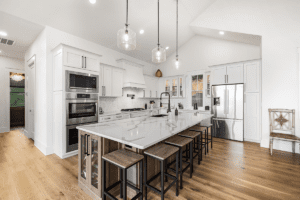
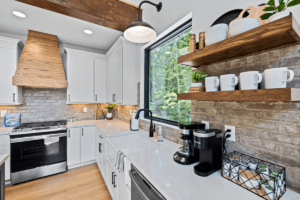
• Kitchens that feel cramped or disconnected
• Living rooms that don’t fit your furniture or lifestyle
If the areas causing the most frustration are your kitchen or bathrooms, exploring your options for kitchen remodeling and bathroom remodeling can help you decide whether reconfiguration alone will work or if an addition is the better long-term solution.
If you are unsure whether you need a full remodel or an addition, reviewing your goals during the planning stage can help. You might get a better idea about which way makes more sense by learning more about proper construction planning.
Sign #4 — You Want to Increase Your Home’s Value
A well-designed addition can significantly increase the value of your home. Extra square footage remains one of the strongest contributors to resale value, especially in Tennessee markets where buyers look for flexible spaces.
Additions with the highest return on investment often include:
• Larger primary suites
• Kitchen expansions
• Bonus rooms or finished attic spaces
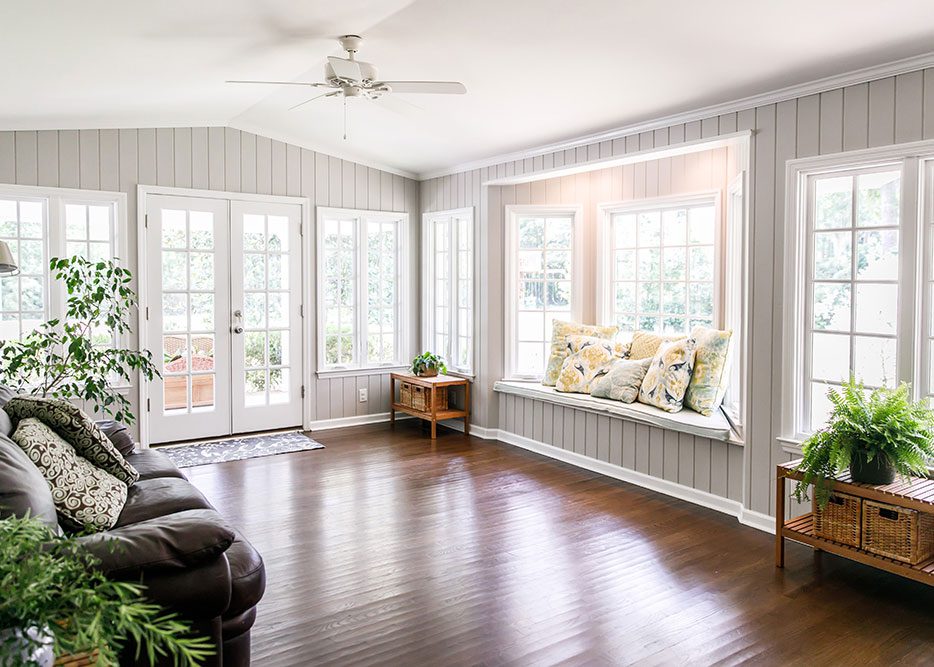
• Extended living rooms or sunrooms
Many real-estate professionals agree that a well-designed addition that increases usable square footage tends to boost resale value and appeal. Realtor.com notes that adding square footage directly into the main home often delivers stronger resale value than detached add-ons like ADUs (Accessory Dwelling Units).
Sign #5 — Moving Would Cost More Than Expanding
For many homeowners, adding space to the home is more cost-effective than buying a new one. Moving comes with financial impacts such as realtor fees, inspections, closing costs and higher mortgage rates.
When you compare those expenses to the cost of an addition, staying put often makes more sense. There are also emotional benefits to remaining in a familiar community or keeping children in the same school zone.
If you weigh the cost of renovation versus relocation, you’re already asking yourself the right question: Do I need a home addition or should I move? Review some early planning considerations that may help you evaluate what might be possible within your budget.
How to Get Started With a Home Addition
Once you have identified your goals, the next step is to begin home addition planning. Following a simple process helps to keep the project organized from the start.
Step 1: Determine Your Goals and Must-Haves
Think about how you want the new space to function. Consider must-have features and long-term use so that you can invest in changes that support your lifestyle.
Step 2: Set a Realistic Budget
Assess your space needs, the quality desired, and where your priorities lie. The process of early budgeting circumvents surprises and keeps the project in tune with your goals.
Step 3: Consult With an Experienced Contractor for Feasibility
An experienced contractor can review your structure, utilities and zoning requirements to determine what may be possible. They can also help you explore layout options and compare solutions.
This is often a good time to see a professional who understands feasibility, structure, and local requirements. If you are still deciding who to hire, learning more about how to choose the right contractor can help you feel more confident moving forward.
Step 4: Understand Plans, Permits and Timelines
Additions typically require architectural plans, engineering, permitting and inspections. Having a clear plan helps the work meet local codes and ensures smoother inspections.
Step 5: Plan Ahead for Materials and Scheduling Needs
Lead times on materials can affect your timeline. Early planning helps you avoid delays and ensures subcontractors are scheduled at the right time.
Make Your Home Work Better for You
If you’re ready to explore a home addition, our team at Blalock & Murray General Contractors is here to help you move forward with a clear, well-prepared plan. Contact us today to schedule your free estimate.